The History of Kyneton, Victoria: From Founding to the Present Day #
Kyneton, nestled in the Macedon Ranges of Victoria, has a rich and evolving history that mirrors the broader story of regional Australia. From its early colonial roots to its modern transformation, Kyneton has maintained its identity as a town shaped by gold, agriculture, war, and community resilience.
Founding and Early Settlement (Pre-1850) #
Kyneton was officially surveyed in 1850, but its European history dates back slightly earlier to the late 1830s. Settlers began occupying the area as early as 1836, attracted by the fertile plains along the Campaspe River. The town took its name from the village of Kineton in Warwickshire, England.
Governor Charles La Trobe selected Kyneton as a potential township due to its location along the route to the Mount Alexander goldfields and the presence of a reliable water source. The first public buildings appeared in the late 1840s, including inns and stores serving teamsters and travelers. The historic map of Kyneton circa 1856 offers a glimpse into the early town layout.
The Gold Rush Era (1850s–1860s) #
Kyneton’s location on the road to Mount Alexander and Bendigo made it a critical supply hub during the Victorian gold rush. While Kyneton itself was not a goldfield town, its economy boomed as prospectors and merchants flooded the area en route to nearby diggings.
Infrastructure developed rapidly:
- The Kyneton Hospital opened in 1854.
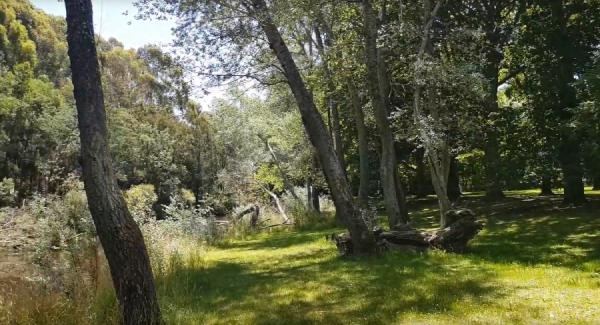
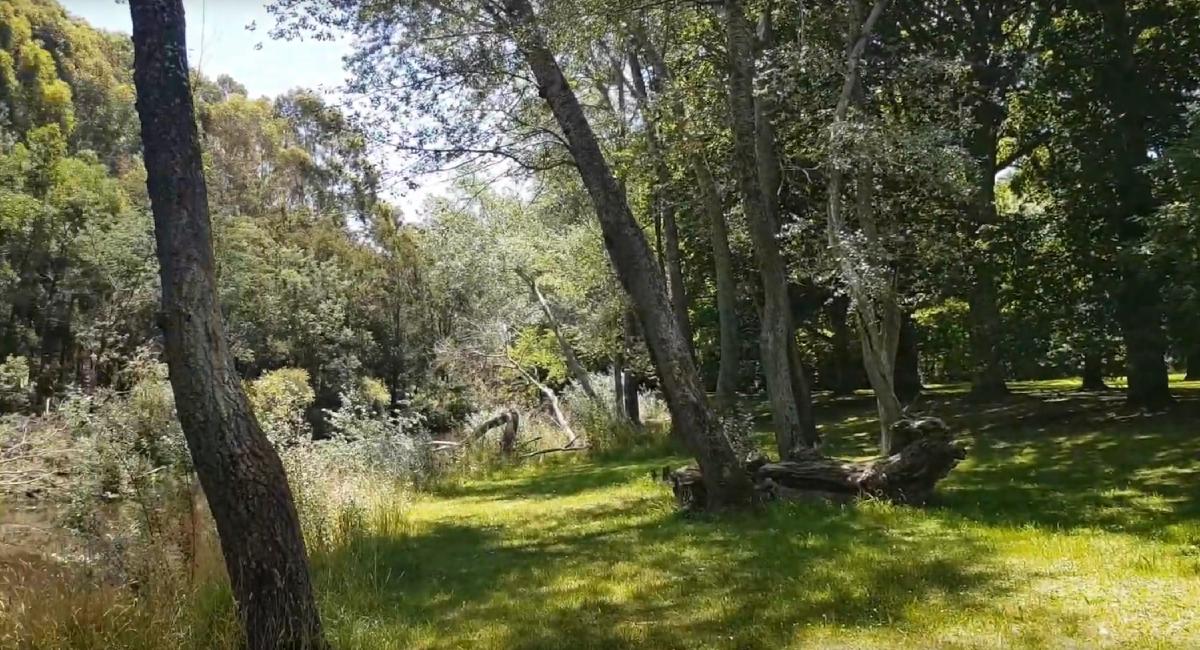
- The Kyneton Botanic Gardens, designed by notable landscape gardener William Guilfoyle, were established in 1858.
- The Kyneton Court House was built in 1856, and remains one of the town’s most significant heritage sites.
This period marked Kyneton’s transition from a remote outpost to a bustling regional service centre. See this goldfields-era map of central Victoria for Kyneton’s strategic location.
Pre-Federation Growth (1870s–1900) #
As the gold rush subsided, Kyneton evolved into an agricultural and administrative hub. The arrival of the railway in 1862 further cemented its importance. Farmers used the rail connection to export wool, grains, and livestock to Melbourne and beyond.
Community and cultural institutions flourished:
- The Kyneton Mechanics Institute became a centre of learning and civic pride.
- Numerous churches, schools, and hotels were established across town.
- In the 1880s, the streetscapes of Piper and Mollison Streets took shape, many buildings of which still stand today.
This was a period of civic confidence, reflecting the town’s growing population and wealth. The 1880s town map shows a grid expanding to accommodate housing and services.
World War I and Aftermath #
Kyneton, like many Australian towns, was deeply affected by World War I. A significant number of local men enlisted, and many did not return. The community commemorated their service with the Kyneton War Memorial, unveiled in 1924.
During and after the war, the town experienced:
- Slower population growth
- Expansion of returned soldiers’ settlements in nearby areas
- Increased reliance on agricultural productivity
Social clubs and civic groups played a larger role in community cohesion during this time of loss and rebuilding.
Between the Wars (1920s–1930s) #
The interwar years brought modest growth, along with the impact of the Great Depression. While agriculture sustained the local economy, job scarcity and economic instability affected many families.
Cultural life persisted through:
- Public dances and cinema at the Kyneton Town Hall
- Local sports clubs (football, cricket, and netball)
- The Kyneton Agricultural Show, which became a staple event celebrating rural life
While not a period of major expansion, these years helped consolidate Kyneton’s identity as a self-sustaining and close-knit town.
World War II and the 1940s #
Kyneton once again saw its sons and daughters serve in global conflict during World War II. Rationing, volunteering, and war bonds defined the home front.
Changes during this era included:
- Expansion of roles for women in the workforce
- The Kyneton airfield and surrounding region being used for military training and logistics
- Growth of patriotic and community support groups
Post-war migration brought a small but meaningful increase in diversity to the area, particularly with the arrival of European immigrants in the late 1940s and 1950s.
Postwar and Modern Development (1950s–Present) #
The second half of the 20th century brought modernisation and gradual population growth. Key developments included:
- Expansion of residential areas during the 1960s and 70s
- Upgrades to education and health facilities
- Tourism promotion of the Macedon Ranges and Kyneton’s historic charm
By the early 2000s, Kyneton experienced a resurgence as Melbourne commuters and tree-changers discovered its heritage homes, arts culture, and natural beauty.
Today, Kyneton balances history and modern life, offering residents and visitors a thriving food scene, vibrant arts festivals, and a strong sense of community—all while honouring its storied past.
Further Reading and Resources #
Kyneton Historic Maps #
- Kyneton Town Map (1856) – National Library of Australia
- Goldfields Map of Central Victoria – State Library of Victoria
- Kyneton Town Plan (1880s) – Trove
YouTube Videos about Kyneton #
Kyneton: queen of the uplands:
Kyneton Township, History Railways and Gardens, Macedon Ranges Victoria: